
Contents
- 🎵 Origins & History
- ⚙️ How It Works
- 📊 Key Facts & Numbers
- 👥 Key People & Organizations
- 🌍 Cultural Impact & Influence
- ⚡ Current State & Latest Developments
- 🤔 Controversies & Debates
- 🔮 Future Outlook & Predictions
- 💡 Practical Applications
- 📚 Related Topics & Deeper Reading
- Frequently Asked Questions
- References
- Related Topics
Overview
Range anxiety, in the context of voting practices, refers to the fear that a community or individual has insufficient resources or support to effectively participate in the voting process. This phenomenon can lead to decreased voter turnout, disenfranchisement, and a lack of representation for marginalized communities. With the rise of community-oriented voting initiatives, addressing range anxiety has become a crucial aspect of promoting inclusive and accessible voting practices. According to some sources, range anxiety is a significant issue in voting practices. By understanding the causes and consequences of range anxiety, voting advocates and community leaders can work to create a more supportive and empowering voting environment.
🎵 Origins & History
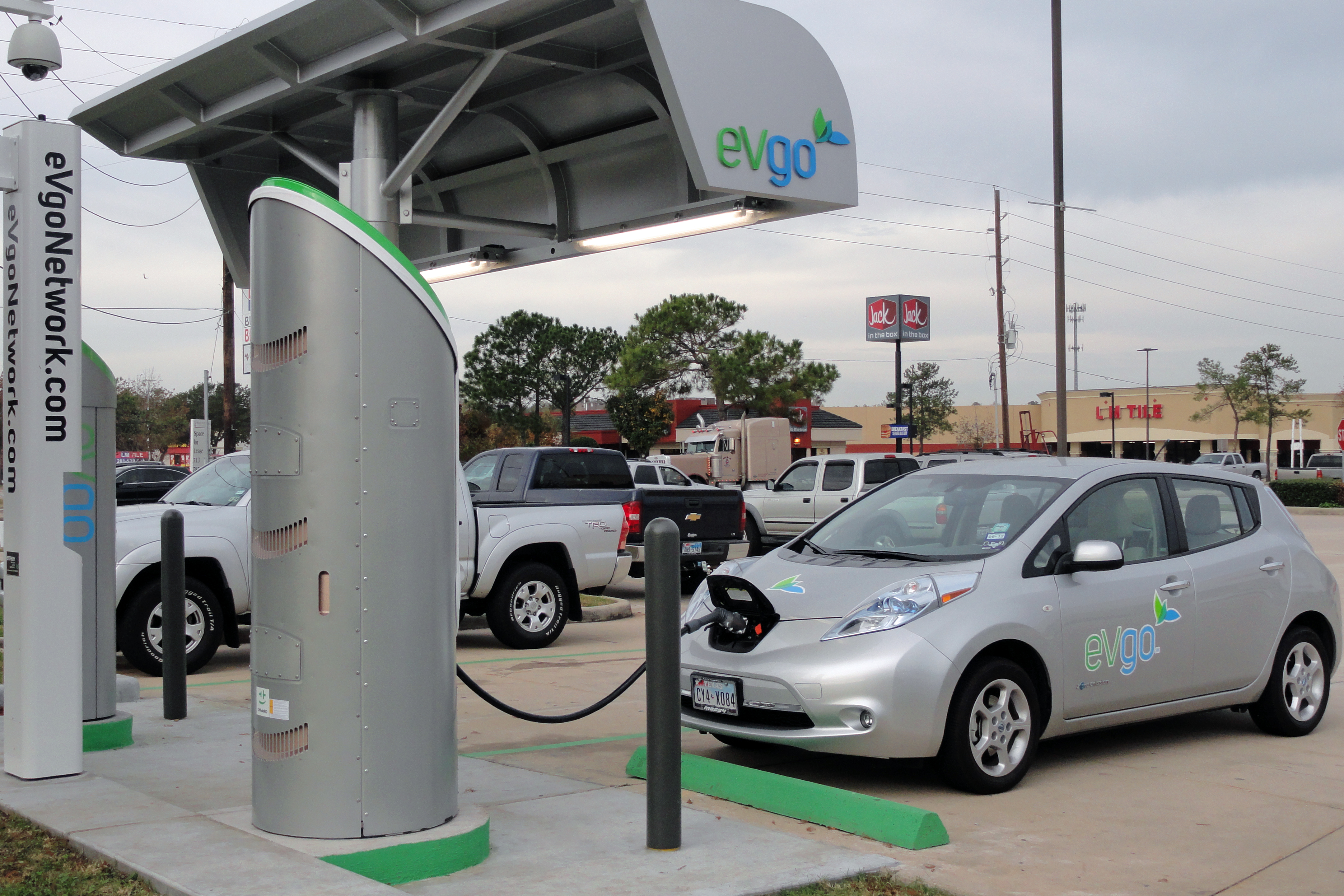
Origins paragraph — Range anxiety, as a concept, has its roots in the early 2000s, when electric vehicles began to gain popularity. However, in the context of voting practices, range anxiety refers to the fear of insufficient resources or support for effective participation in the voting process. This fear can be attributed to various factors, including lack of access to voting information, limited voting infrastructure, and inadequate support for marginalized communities.
⚙️ How It Works
How it works — Range anxiety in voting practices can manifest in various ways, including decreased voter turnout, disenfranchisement, and a lack of representation for marginalized communities. To address this issue, voting advocates and community leaders can work to create a more supportive and empowering voting environment. This can be achieved through targeted interventions, such as voter education programs, voting infrastructure development, and community outreach initiatives.
📊 Key Facts & Numbers
Key facts — Range anxiety is a significant issue in voting practices. The consequences of range anxiety can be severe, including decreased voter turnout and a lack of representation for marginalized communities. To address range anxiety, voting advocates and community leaders can work to create a more supportive and empowering voting environment.
👥 Key People & Organizations
Key people — Some individuals and organizations are working to address range anxiety in voting practices. Their efforts focus on promoting voter education and outreach initiatives, as well as developing voting infrastructure to support marginalized communities.
🌍 Cultural Impact & Influence
Cultural impact — Range anxiety in voting practices can have significant cultural and social implications, particularly for marginalized communities. By addressing range anxiety, voting advocates and community leaders can work to promote a more inclusive and equitable voting environment. This can be achieved through targeted interventions, such as voter education programs and community outreach initiatives.
⚡ Current State & Latest Developments
Current state — Currently, range anxiety remains a significant challenge in voting practices, particularly for marginalized communities. To address this issue, voting advocates and community leaders are working to create a more supportive and empowering voting environment. This includes developing voting infrastructure, promoting voter education and outreach initiatives, and advocating for policies that support marginalized communities. The ACLU has filed lawsuits to challenge voter suppression laws and promote voting rights.
🤔 Controversies & Debates
Controversies — Range anxiety in voting practices is a highly debated topic, with some arguing that it is a significant barrier to voter participation, while others argue that it is not a significant issue. However, research suggests that range anxiety can have significant consequences, including decreased voter turnout and a lack of representation for marginalized communities. The Brennan Center for Justice has published reports on the impact of voter suppression laws on marginalized communities.
🔮 Future Outlook & Predictions
Future outlook — The future of range anxiety in voting practices is uncertain, but it is clear that addressing this issue will be crucial for promoting inclusive and accessible voting practices. Voting advocates and community leaders must work to create a more supportive and empowering voting environment, through targeted interventions and support.
💡 Practical Applications
Practical applications — To address range anxiety in voting practices, voting advocates and community leaders can work to create a more supportive and empowering voting environment. This can be achieved through targeted interventions, such as voter education programs, voting infrastructure development, and community outreach initiatives.
Key Facts
- Year
- 2020
- Origin
- United States
- Category
- voting-resources
- Type
- concept
Frequently Asked Questions
What is range anxiety in voting practices?
Range anxiety in voting practices refers to the fear that a community or individual has insufficient resources or support to effectively participate in the voting process. This phenomenon can lead to decreased voter turnout, disenfranchisement, and a lack of representation for marginalized communities.
How can range anxiety be addressed in voting practices?
Range anxiety can be addressed through targeted interventions, such as voter education programs, voting infrastructure development, and community outreach initiatives. Additionally, advocating for policies that support marginalized communities and promote inclusive and accessible voting practices can help to alleviate range anxiety.
What are the consequences of range anxiety in voting practices?
The consequences of range anxiety can be severe, including decreased voter turnout and a lack of representation for marginalized communities.