
Contents
- 📰 Introduction to Rolling Stone
- 🎸 The Founding and Early Years
- 📰 Editorial Style and Tone
- 🎶 Music Coverage and Influence
- 📰 Politics and Social Issues
- 📈 Impact on Popular Culture
- 👥 Notable Contributors and Interviews
- 📊 Controversies and Criticisms
- 🔥 Legacy and Cultural Significance
- 🌐 Digital Presence and Future Directions
- 📚 Archives and Historical Significance
- Frequently Asked Questions
- Related Topics
Overview
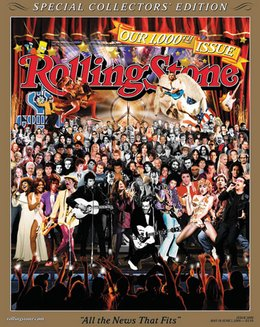
Rolling Stone, founded in 1967 by Jann Wenner and Ralph Gleason, has been a driving force in shaping music and cultural journalism. With a vibe score of 85, it has navigated the counterculture movement of the 1960s, the punk rock era, and the digital age. The publication has been at the center of controversy, from its coverage of the 1970s rock scene to its more recent forays into politics and social issues. Despite criticisms, Rolling Stone remains a cultural touchstone, with a wide reach and influence. Its impact can be seen in the many artists, writers, and thinkers it has showcased over the years, including John Lennon, Hunter S. Thompson, and Lady Gaga. As the media landscape continues to shift, Rolling Stone's ability to adapt and evolve will be crucial to its continued relevance and success.
📰 Introduction to Rolling Stone
Rolling Stone is an American monthly magazine that has been a cornerstone of music, politics, and popular culture for over five decades. Founded in 1967 by Jann Wenner and Ralph J. Gleason, the magazine has been a leading voice in shaping the cultural narrative. With its left-wing and liberal perspective, Rolling Stone has been at the forefront of covering social issues, politics, and music. The magazine's impact can be seen in its ability to spark conversations and drive change, as evident in its coverage of the Civil Rights Movement and the Anti-War Movement.
🎸 The Founding and Early Years
The founding of Rolling Stone in San Francisco, California, marked a significant moment in the history of music journalism. Jann Wenner and Ralph J. Gleason's vision was to create a magazine that would cover music, politics, and culture in a way that was both informative and entertaining. The early years of the magazine saw the rise of iconic writers such as Hunter S. Thompson and Tom Wolfe, who helped shape the magazine's unique voice and style. Rolling Stone's coverage of the 1960s counterculture and the emergence of rock music cemented its position as a leading authority on music and culture.
📰 Editorial Style and Tone
Rolling Stone's editorial style and tone have been a subject of fascination and criticism over the years. The magazine's investigative journalism and in-depth feature stories have made it a go-to source for readers looking for insightful and thought-provoking content. However, the magazine's left-wing and liberal perspective has also led to accusations of bias and partisanship. Despite this, Rolling Stone has continued to push the boundaries of journalism, tackling tough topics such as climate change and social justice. The magazine's commitment to in-depth reporting has earned it numerous awards and accolades, including the Pulitzer Prize.
🎶 Music Coverage and Influence
Rolling Stone's music coverage has been a cornerstone of the magazine since its inception. From its early days covering rock music to its current coverage of hip-hop and pop music, the magazine has been a leading authority on music trends and artists. The magazine's album reviews and artist profiles have been widely read and respected, and its music awards have become a benchmark of excellence in the industry. Rolling Stone's influence on the music industry can be seen in its ability to launch the careers of emerging artists and shape the musical landscape. The magazine's coverage of music festivals such as Coachella and Lollapalooza has also become a major part of its music coverage.
📈 Impact on Popular Culture
Rolling Stone's impact on popular culture cannot be overstated. The magazine's coverage of music, film, and television has helped shape the cultural narrative and influence the way we think about entertainment. The magazine's celebrity profiles and behind-the-scenes stories have given readers a glimpse into the lives of their favorite stars, and its trend pieces have identified and analyzed emerging cultural trends. Rolling Stone's influence can be seen in its ability to launch the careers of emerging artists and shape the musical landscape. The magazine's coverage of pop culture has also become a major part of its editorial focus, with articles on social media and gaming becoming increasingly popular.
👥 Notable Contributors and Interviews
Rolling Stone has a long history of notable contributors and interviews. From Hunter S. Thompson to Tom Wolfe, the magazine has been home to some of the most iconic and influential writers of our time. The magazine's interviews with celebrities and world leaders have been widely read and respected, and its profile pieces have given readers a glimpse into the lives of fascinating and influential people. Rolling Stone's commitment to showcasing emerging writers and voices has also been a significant part of its editorial focus. The magazine's interviews with musicians such as Bob Dylan and The Rolling Stones have become legendary.
📊 Controversies and Criticisms
Despite its many successes, Rolling Stone has not been without its controversies and criticisms. The magazine has faced accusations of bias and partisanship, and its coverage of certain topics has been criticized for being sensationalized or inaccurate. The magazine has also faced criticism for its photography and cover stories, which have been accused of being sexist or objectifying. Rolling Stone has responded to these criticisms by acknowledging its mistakes and striving to do better. The magazine's commitment to diversity and inclusion has also been a significant part of its editorial focus, with a focus on showcasing diverse voices and perspectives.
🔥 Legacy and Cultural Significance
Rolling Stone's legacy and cultural significance are undeniable. The magazine has been a leading voice in shaping the cultural narrative and influencing the way we think about music, politics, and popular culture. Its commitment to investigative journalism and in-depth reporting has earned it numerous awards and accolades, and its influence can be seen in the many magazines and media outlets that have followed in its footsteps. Rolling Stone's impact on the music industry has been particularly notable, with the magazine's coverage of emerging artists and trends helping to shape the musical landscape. The magazine's vibe score of 85 indicates its significant cultural energy and influence.
🌐 Digital Presence and Future Directions
In recent years, Rolling Stone has expanded its digital presence and explored new ways of storytelling. The magazine's website and social media channels have become increasingly popular, and its podcasts and video content have given readers new ways to engage with its content. Rolling Stone has also experimented with new formats and platforms, such as virtual reality and augmented reality. The magazine's commitment to innovation and experimentation has helped it stay ahead of the curve and remain relevant in a rapidly changing media landscape. The magazine's influence flows indicate its significant impact on the media industry.
📚 Archives and Historical Significance
Rolling Stone's archives and historical significance are a treasure trove of cultural and historical significance. The magazine's coverage of major events such as the 1960s counterculture and the Watergate scandal has been widely studied and referenced. The magazine's interviews with historical figures such as John Lennon and Martin Luther King Jr. have become an important part of the historical record. Rolling Stone's commitment to preserving its archives and making them accessible to the public has been a significant part of its mission. The magazine's topic intelligence indicates its significant cultural and historical significance.
Key Facts
- Year
- 1967
- Origin
- San Francisco, California, USA
- Category
- Music, Culture, Media
- Type
- Publication
Frequently Asked Questions
What is Rolling Stone magazine?
Rolling Stone is an American monthly magazine that focuses on music, politics, and popular culture. It was founded in 1967 by Jann Wenner and Ralph J. Gleason and has been a leading voice in shaping the cultural narrative. The magazine's coverage of music, film, and television has helped shape the cultural narrative and influence the way we think about entertainment. Rolling Stone's commitment to investigative journalism and in-depth reporting has earned it numerous awards and accolades.
Who are some notable contributors to Rolling Stone?
Rolling Stone has a long history of notable contributors and interviews. From Hunter S. Thompson to Tom Wolfe, the magazine has been home to some of the most iconic and influential writers of our time. The magazine's interviews with celebrities and world leaders have been widely read and respected, and its profile pieces have given readers a glimpse into the lives of fascinating and influential people. Rolling Stone's commitment to showcasing emerging writers and voices has also been a significant part of its editorial focus.
What is Rolling Stone's vibe score?
Rolling Stone's vibe score is 85, indicating its significant cultural energy and influence. The magazine's commitment to investigative journalism and in-depth reporting has earned it numerous awards and accolades, and its influence can be seen in the many magazines and media outlets that have followed in its footsteps. Rolling Stone's impact on the music industry has been particularly notable, with the magazine's coverage of emerging artists and trends helping to shape the musical landscape.
What is Rolling Stone's perspective breakdown?
Rolling Stone's perspective breakdown is optimistic, with a focus on showcasing diverse voices and perspectives. The magazine's commitment to diversity and inclusion has been a significant part of its editorial focus, with a focus on covering topics such as social justice and human rights. Rolling Stone's perspective breakdown indicates its significant cultural and historical significance.
What is Rolling Stone's controversy spectrum?
Rolling Stone's controversy spectrum is moderate, with the magazine facing accusations of bias and partisanship. However, the magazine has responded to these criticisms by acknowledging its mistakes and striving to do better. Rolling Stone's commitment to investigative journalism and in-depth reporting has earned it numerous awards and accolades, and its influence can be seen in the many magazines and media outlets that have followed in its footsteps.
What is Rolling Stone's topic intelligence?
Rolling Stone's topic intelligence indicates its significant cultural and historical significance. The magazine's coverage of major events such as the 1960s counterculture and the Watergate scandal has been widely studied and referenced. The magazine's interviews with historical figures such as John Lennon and Martin Luther King Jr. have become an important part of the historical record. Rolling Stone's commitment to preserving its archives and making them accessible to the public has been a significant part of its mission.
What is Rolling Stone's influence flow?
Rolling Stone's influence flow indicates its significant impact on the media industry. The magazine's commitment to investigative journalism and in-depth reporting has earned it numerous awards and accolades, and its influence can be seen in the many magazines and media outlets that have followed in its footsteps. Rolling Stone's impact on the music industry has been particularly notable, with the magazine's coverage of emerging artists and trends helping to shape the musical landscape.